blog
Late Summer Yoga: Ground, Nourish, and Slow Down
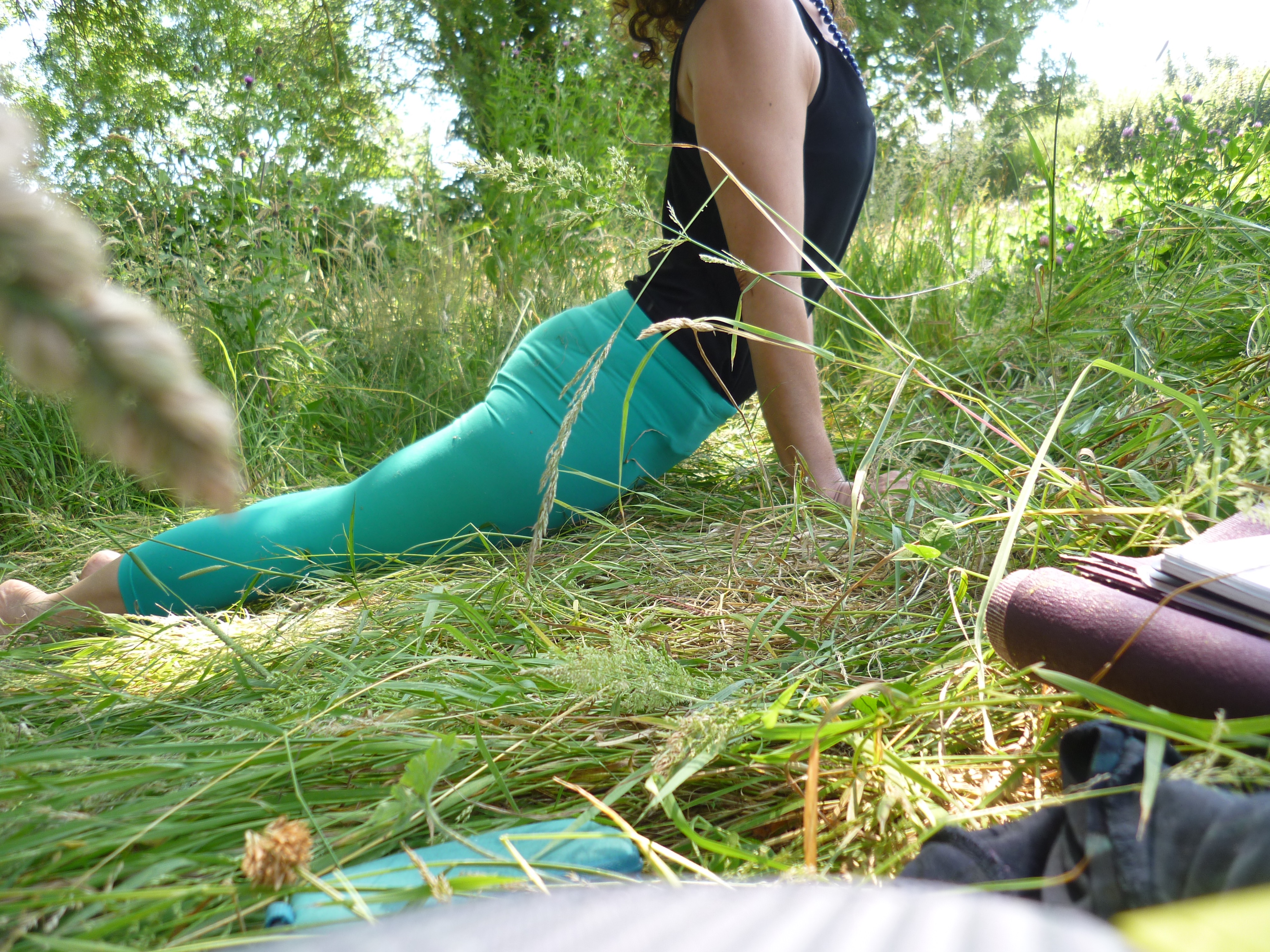
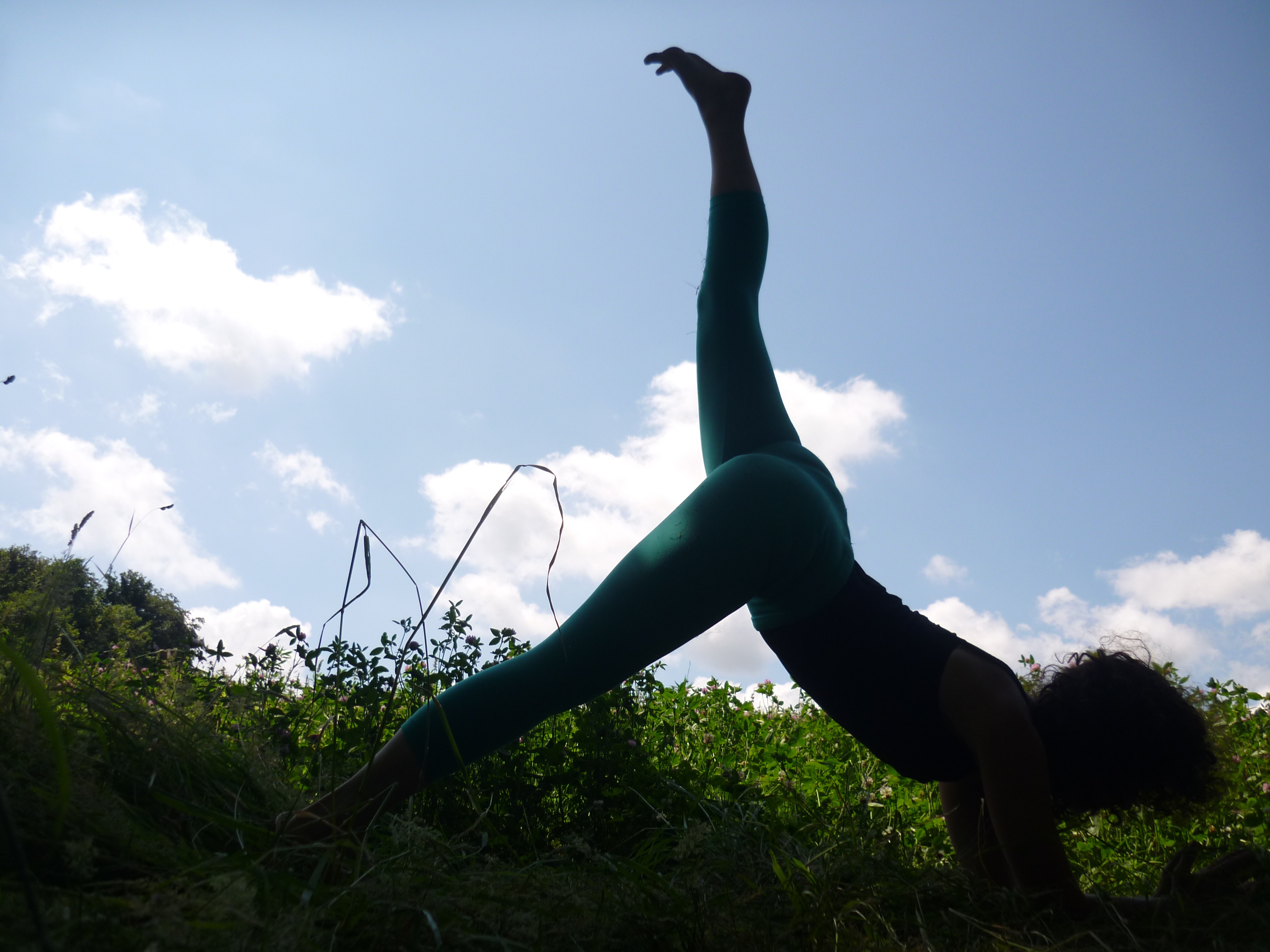
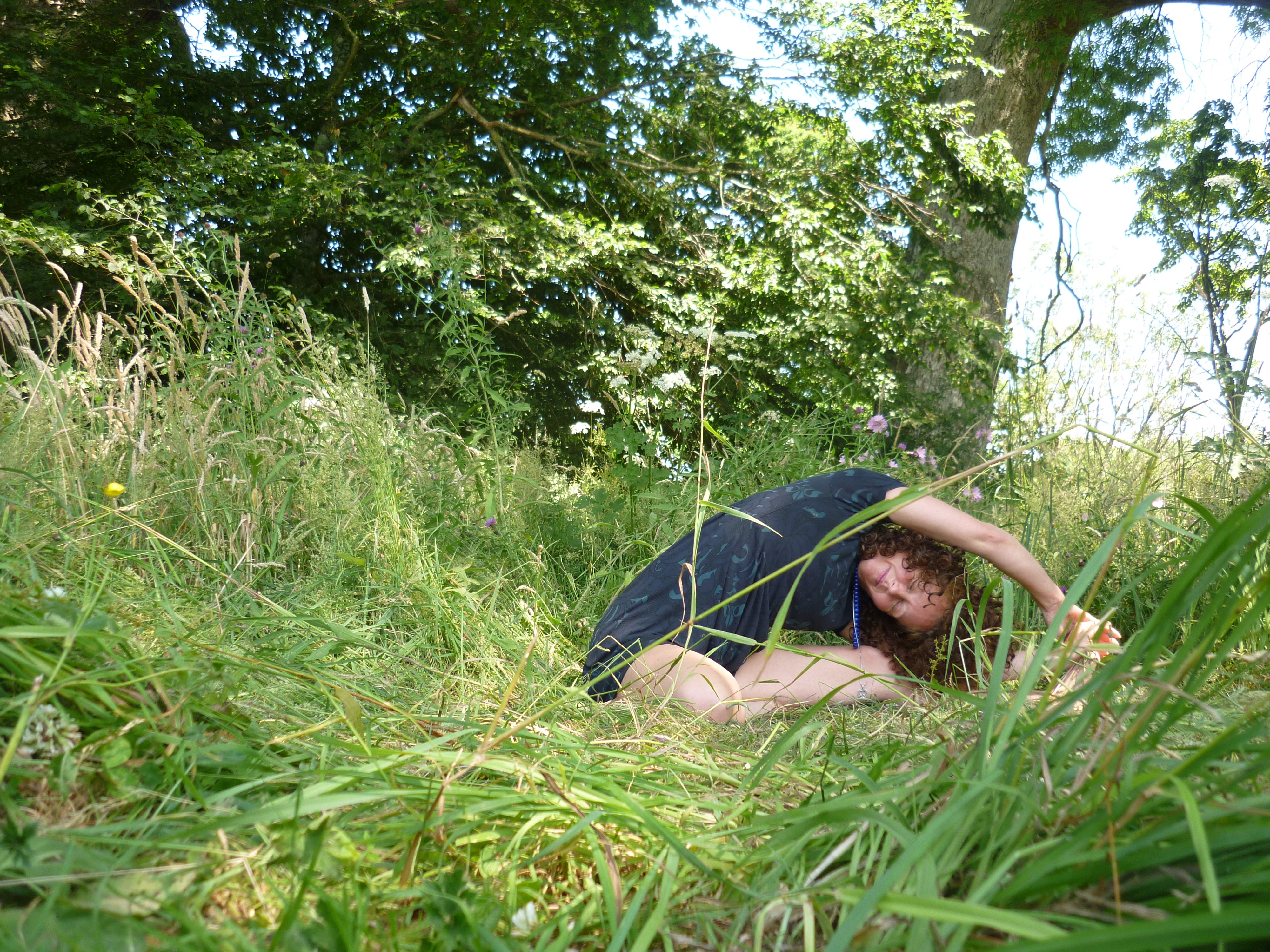
Late summer – that soft in-between space where the brightness of the Summer sun begins to mellow – it’s the perfect time to pause, exhale, and come back to yourself. Summer is active, hot and bright. You might notice the energy around you starting to shift as we slide into later Summer. There’s still warmth in the air, but the days feel slower, heavier, and just a little more reflective. I was in very rural France, in heat, and now Scotland with a sometimes Summery feel, and today definitely Autumnal.
In Traditional Chinese Medicine, this is the season of the Earth element, linked to digestion, stability, and balance. It’s a time to take stock – to gently process all that summer stirred up and prepare for the more grounded months ahead. In yoga, this translates beautifully into slower, more settled practices that help us land and reconnect with our deeper needs.
Practising Yoga in Late Summer
This is a time to nourish, not push. To stay present and not become wistful. Your yoga practice doesn’t need to be elaborate or intense – just steady, supportive, and in tune with your needs.
Try focusing on:
- Grounding postures that connect you to your body and breath
- Belly work to support digestion and centreing
- Slow, rhythmic movement that calms the nervous system
- Restorative shapes that help you turn inward and reset
I have been enjoying some lessons with Mooie Scott, a fabulous yoga teacher in the borders. It has been really bringing me back and deeper. Late summer is a beautiful time to let go of doing for the sake of doing, and instead focus on feeling.
8 Yoga Poses Perfect for Late Summer
Here are 8 gentle, grounding postures that support digestion, calm the mind, and help you ease into the slower rhythm of the season:
- Malasana (Yogi Squat)
A deep, earthy pose that opens the hips and supports digestion.
How: Stand with feet slightly wider than hips, bend your knees, and sink your hips down. Keep heels on the floor or onto a rolled-up blanket. Hands at heart. Breathe into the belly. Keep it simple and don’t drop to low, enjoy the journey!
- Supta Baddha Konasana (Reclined Butterfly Pose)
Soothing and nurturing – opens the heart and hips, great for resting.
How: Lie on your back, bring the soles of the feet together and let the knees fall open. Support your knees with cushions and find a blissful place to rest. Stay for a few minutes, breathing gently. Bring your needs close afterwards or before you feel any sense of over stretch in the lower back or inner thighs.
- Apanasana (Knees to Chest)
A simple pose that encourages release and supports digestion.
How: Lying down, gently hug both knees into your belly. Rock side to side or stay still. Breathe slowly and fully. This is a great release for your lower back.
- Paschimottanasana (Seated Forward Fold)
Helps cool the system and draw your energy inward.
How: Sit tall, legs extended. Fold forward over your legs, knees soft. Support your head or chest if needed, and rest into the shape without forcing. This should feel like coming home.
- Supported Bridge Pose
Balancing and calming, with just a touch of lift.
How: Lie on your back, knees bent, and place a block or cushion under your sacrum. Let the rest of the body relax. Stay for a few minutes, breathing into your belly. This is such a gentle and beneficial inverison.
- Cat-Cow (Marjaryasana-Bitilasana)
Soothes the spine and supports the digestive system.
How: On all fours, move with your breath – inhale to arch the spine, exhale to round. Keep it slow and gentle, like a moving meditation. Enjo poses, to really settle into your present moment experience of the pose.
- Gentle Twists (Seated or Supine)
Twists help release out tension and support your middle.
How: Try a reclined twist: lying on your back, knees ease to one side, arms out wide. Hold for a minute or two, then switch sides. Try to move like a young toddler – fluid, curious and alert.
- Legs Up the Wall (Viparita Karani)
The ultimate reset. Cooling, grounding, and restful.
How: Lie on your back with your legs resting up a wall or on a chair. Close your eyes and let go. Stay for 5–10 minutes. This is one of my favourite places to be. Its so restful, without becoming soporiphic.
A Breathing Practice for Late Summer: Three-Part Breath
This is a gentle way to calm the body and bring your awareness back inwards.
How to do it:
- Sit or lie comfortably.
- Inhale slowly into your belly → ribs → chest.
- Exhale from chest → ribs → belly.
- Keep it soft and unforced.
- Try 6–10 rounds, letting each breath help you settle a little more.
This breath helps restore balance, especially if life’s been feeling a bit full or fast lately.
A 5-Minute Relaxation Practice
Find a quiet spot and lie down in Reclined Bud Pose or with knees bent, knees resting together and heels slightly wide so that your toes are still close. Place one hand on your belly and one on your heart. This is an awesome lower back rest and really helps the belly to widen and deepen.
Close your eyes and imagine the earth holding you, steady and warm. With each exhale, let your body sink just a little deeper. There’s nowhere to go. Nothing to fix.
Let your breath be soft and slow, like waves lapping at the shore.
A Mindful Practice in Nature
Find a moment to go outside – a garden, park, field, or even just a quiet corner.
Stand or sit still, barefoot if you can. Feel the contact between your body and the ground. Notice the smells, sounds, and textures around you. Breathe it in slowly.
Ask yourself: What do I need to digest? What can I release?
Even a few minutes like this can help re-centre you in the most natural, nourishing way.
Final Thoughts
Late summer doesn’t ask for effort – just attention. It’s an invitation to root down, soften your pace, and turn inward, even just a little. Whether you practise a full sequence, take five slow breaths, or simply sit in the sun with your feet in the grass, you’re honouring this gentle season of transition.
You don’t have to do more. Just be more present.
Colour Your Yoga
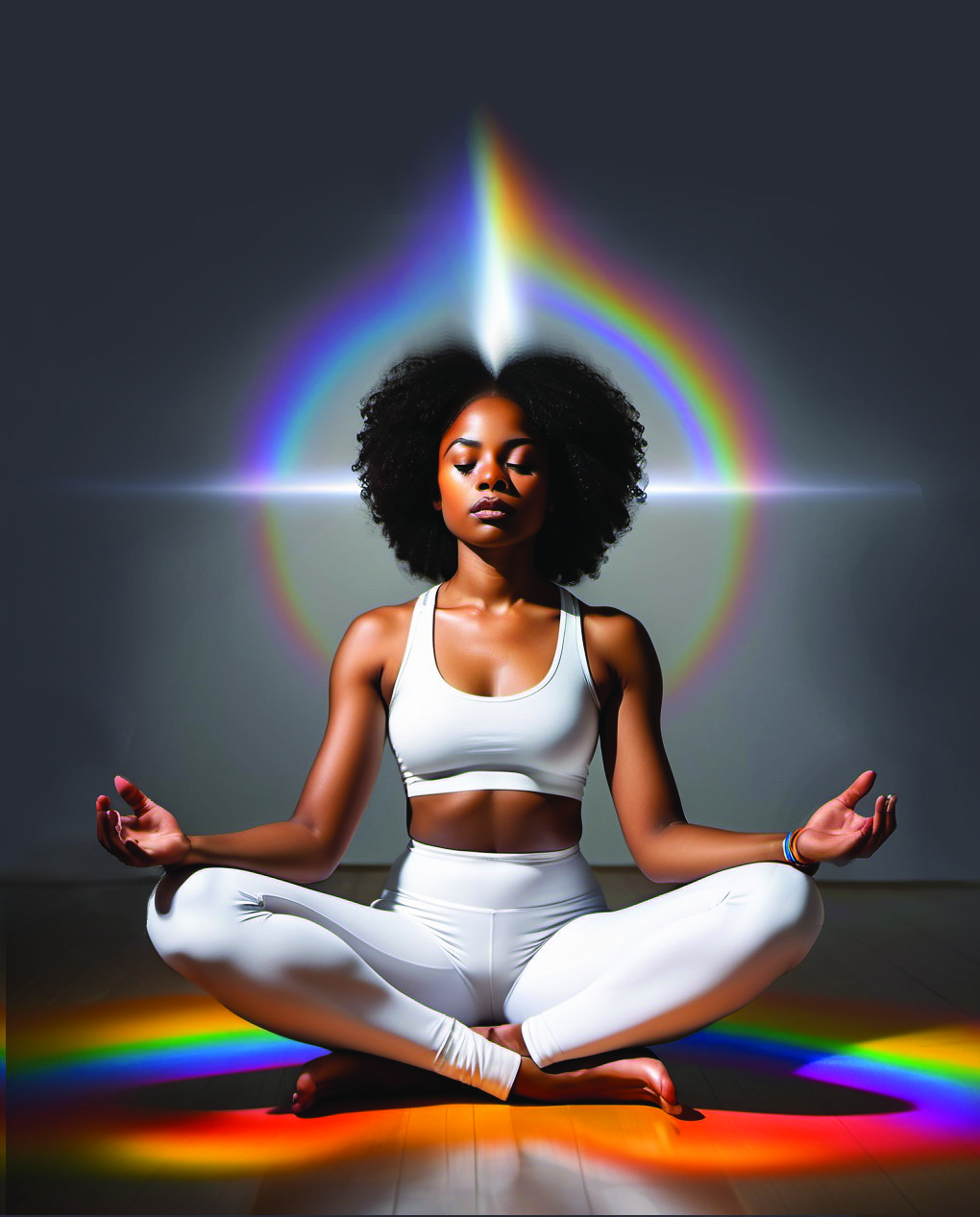
United in Colour
How individual colours and white light can deepen your practice
In the journey of self-discovery and holistic well-being, yoga stands out as a powerful tool, offering not just physical benefits but also spiritual and emotional healing. While most practitioners focus on the physical postures (asanas), breathing techniques (pranayama), and meditation, the interplay of colour within these practices can significantly enhance your experience. This article draws on art theory, the chakra system, colour psychology & healing, and synaesthesia to explore individual colours. After this we explore what happens when we unite and blend colours. Like yogis, colours don’t live in a vacuum, how they interact can increase vibrancy and joy.
Breathing life into the Chakra System
Colours are wavelengths, like different notes of music each has its own character. In chromotherapy each colour is believed to resonate with specific frequencies that can influence our physical and emotional health. For example, green is often associated with healing and balance, making it an excellent choice for heart-centred meditations.
Chakras are energy centres within the body that correspond to specific physical, emotional, and spiritual aspects of our being. The chakra system is a fundamental concept in many Eastern traditions, particularly in yoga. The traditional system uses colour, but not in order of frequency like a rainbow is.
The most common modern system has blended wavelength theory and chakra systems. For this article we will use the seven primary chakras, each relating to a colour as it makes understand the characters of colour easier. For the following section use your out breath to imagine each colour glowing and emanating like a light gently being turned up on a dimmer switch.
- Root Chakra (Muladhara): Breath out and imagine the base of your spine glowing warm red. Breath out and feel steady and grounded.
- Sacral Chakra (Svadhisthana): Breath out and image your belly area glowing orange. Breath out and feel creativity, connected and content.
- Solar Plexus Chakra (Manipura): Breath out and imagine your diaphragm glowing golden yellow. Breath out again and feel confident, powerful and focused.
- Heart Chakra (Anahata): Breath out and imagine your heart area glowing. Breath out a second time feeling expanding love and compassion.
- Throat Chakra (Vishuddha): Breath out and feel your throat area glowing blue. Breath out and feel your self-expression and truth.
- Third Eye Chakra (Ajna): Breath out and feel your third eye glowing an indigo purple colour. Breath out and connect with your intuition and wisdom.
- Crown Chakra (Sahasrara): Imagine the crown of your head and a glowing white orb just above it. Breath out and connect to your divine spirituality and higher consciousness.
Uniting White Light
When you spin a disc of rainbow colours quickly, it appears white. This is because your eyes can’t distinguish the details of the colours moving so fast, so the colours blend together. White light is made up of all the colours of the rainbow.
Everything is Black
Here’s another beautiful fact with you. When you mix the primary colours of red, blue and yellow together they make black. If you have painted you will know that artists are often strongly opposed to black being called a colour. In terms of wavelength black has the slowest wavelength, and in colour psychology it can be linked to fear and evil. There are effective techniques such as seeing black smoke leaving the body on an outbreath, but for me this does not do black justice. For me black is the quietest most stable colour. It is womb time and pre birth. To appreciate black imagine your body in a soft, safe nest where it is dark and deeply restful. A place you can hibernate and restore yourself. Breath out and feel your connection to deep peace and the mystery of life.
Black White & Everything inbetween
The colours we see emerge out of black, and disintegrate into white. All colours are contained both in black and white. Not only is this scientific colour theory, it is also a good way to live. Our skin colours are part of the rainbow, where our colours are individual and united. Our characteristics of being well organised, or very loving or powerful, are like individual colours on the wheel. Our characters are individual, and yet united.
Synaesthetic Colour
The interaction of colour with our senses can create a profound experience in yoga. Synaesthesia, a condition where one sensory experience involuntarily triggers another, can enhance your perception of colour in your yoga practice. For example, you may find that certain music evokes specific colours or that the feeling of a particular pose corresponds with a visual hue. When engaging in your yoga practice, pay attention to these sensory interactions be it smell, taste, visual, sound or touch. If a certain posture makes you feel energetic, notice what colour emerges in your mind’s eye. Use that awareness to inform your environment and practice.
Your Colour Journey: Using Colour to Transform & Heal
Colours have a profound psychological impact on our mood and focus. For example, warm colours like red and orange can energise and motivate, making them ideal for vigorous yoga practices. Conversely, cool colours like blue and green promote calmness and serenity, which are beneficial for restorative yoga or meditation practices.
- Try wearing warm or cool colours to suit your needs for practice and everyday life so you can notice how it affects you.
- When practising breathing or meditation visualise one chosen colour. Quietly bringing your mind back to it, or letting it gently transform into other colours as suits you.
- As you move through different poses, you can choose different colours to reflect what you want to work on, creating a dynamic and engaging experience.
- If you have the freedom to paint your yoga space, consider colours that align with your practice. Calming shades of blue or green can create a peaceful ambiance, while energising yellows or oranges can invigorate the space. Remember decorative elements, lighting and props to bring little pops of colour into your space.
- Keeping a journal can be a helpful way to document your observations and insights. For example, after a session, you might note how wearing a particular colour influenced your focus or how a specific lighting choice impacted your meditation.
Ultimately, the way colour enhances your yoga practice is highly personal. Experiment with different colours and observe how they affect your emotions, energy levels, and overall experience. Over time, you may develop a deeper understanding of your preferences, leading to a more fulfilling practice.
All One
Don’t we all want more colour in life? By understanding colour psychology and the chakra system, you can enhance your yoga practice, breathing techniques, and meditation experiences. Through the integration of colour healing, sensory interactions, and personal exploration, you can create a vibrant and invigorating practice that resonates with your unique journey.
As you deepen your relationship with colour in your yoga practice, you may discover new insights, emotional releases, and a greater sense of balance and harmony. Allow colour to inspire you, guiding you toward a richer, more fulfilling experience on and off the mat. The journey is yours to explore, illuminated by the vibrant spectrum of colour and the profound energy it brings to your practice.
Colour has so many aspects: hue, saturation, brightness and how they interact. If you find yourself getting confused remember all colours are one. Come back to white to lifting white and quietening black, knowing that everything is contained within them.
Susannah is running a Yoga Scotland OGT day on June 7th 2025 in Polmont where you can experience the power of colour and yoga for yourself. You’ll explore the chakra system in its different incarnations, synaesthetic thinking and how colour can affect you through asana, pranayama, relaxation and meditation. You might even get to taste colour! This is a golden opportunity to feel tickled pink and to take that home with you to enrich your personal yoga practice and daily life.

Practicing Yoga in Autumn: Embrace the Season of Change
As the warm, sun-soaked days of summer fade into the crisp, cool air of autumn, the natural world shifts into a state of transition. The vibrant colours of Autumn, the shorter days, and the chill in the air all signal a time for reflection, slowing down, and embracing the changes that come with this season. In yoga, Autumn is an ideal time to adjust your practice to align with these natural shifts, fostering a sense of balance and inner peace.
In this article, we’ll explore how to practice yoga in autumn, focusing on the types of poses and routines that best suit this season. We’ll also dive into simple lifestyle tips around diet and self-care, designed to support your body and mind through the colder months, and offer top tips to help you truly embrace this season of harvest and renewal.
Aligning Your Yoga Practice with Autumn
Autumn, often associated with the Vata Dosha in Ayurveda, can bring a sense of heightened movement and restlessness due to its light, dry, and windy qualities. To stay grounded and cantered, it’s helpful to focus on a yoga practice that brings warmth, stability, and a sense of rootedness. Here are some ways to modify your yoga practice to suit autumn’s energy:
Focus on Grounding Poses
In autumn, grounding postures that connect us to the earth are essential. Consider incorporating poses that build strength and stability, such as:
- Mountain Pose (Tadasana): Helps to build awareness of balance and strength, providing a steady foundation.
- Warrior Poses (Virabhadrasana I & II): Engage your lower body to feel more rooted and empowered.
- Tree Pose (Vrksasana): This balancing pose connects us to the earth while encouraging mindfulness and presence.
- Child’s Pose (Balasana): A deeply calming pose that allows you to rest and reflect, which is ideal for autumn’s introspective energy.
Warming and Flowing Sequences
As the temperature drops, it’s important to generate warmth within the body. Sun Salutations (Surya Namaskar) and flowing Vinyasa sequences can help you maintain heat and fluidity in your practice. Start your sessions with a few rounds of Sun Salutations to activate circulation and warm your muscles, before moving into deeper stretches or longer-held poses.
Incorporate slow, mindful movements that promote joint mobility and flexibility. Twists, forward folds, and gentle backbends (such as Cobra or Bridge pose) can help balance the airy qualities of Vata, promoting stability and warmth.
Prioritise Restorative and Yin Yoga
Autumn is a time to wind down from the more active energy of summer, making it perfect for slower-paced practices like Restorative or Yin Yoga. These practices encourage deep relaxation and introspection, giving you the opportunity to nurture yourself.
Use props like blankets, bolsters, and blocks to support long-held, passive poses, such as:
- Reclined Bound Angle Pose (Supta Baddha Konasana): This heart-opening posture encourages deep relaxation and helps release tension in the hips and chest.
- Legs-Up-the-Wall Pose (Viparita Karani): A gentle inversion that promotes circulation and relieves tired legs after long autumn walks.
Breathing Practices for Autumn
- Pranayama, or breath control, is another powerful tool for balancing the body and mind as we transition into autumn. Focus on breathing techniques that generate warmth and steadiness, such as:
- Ujjayi Breath (Victorious Breath): A calming, warming breath that encourages focus and grounding.
- Nadi Shodhana (Alternate Nostril Breathing): Helps balance the nervous system and calm the mind, ideal for reducing anxiety that can come with seasonal transitions.
Embrace an Autumn Lifestyle
Diet and Self-Care
In addition to modifying your yoga practice, simple lifestyle changes can help you feel more in tune with autumn’s energy. As the weather cools and days become shorter, it’s important to nourish your body and mind with warming foods, cozy self-care practices, and plenty of rest.
Eat Seasonally and Warmly
Autumn is the perfect time to embrace warm, grounding foods that nourish and stabilize the body. Think of hearty soups, stews, and root vegetables like sweet potatoes, carrots, and squash. These foods provide a sense of comfort and help to balance Vata’s light, airy qualities. Incorporate spices like cinnamon, ginger, turmeric, and cumin, which are warming and support digestion during the colder months. Try to avoid raw, cold foods like salads and smoothies, as they can aggravate Vata. Instead, opt for cooked meals, herbal teas, and plenty of hydrating liquids to keep your body balanced.
Prioritise Hydration and Moisturising
As Autumn air becomes drier, our skin and bodies can also lose moisture. Keep your skin hydrated by applying nourishing oils like sesame or almond oil, both of which are grounding and moisturizing. Warm oil self-massage (Abhyanga) is a lovely practice to do in the morning to soothe the nervous system and protect the skin from dryness. Don’t forget to drink warm herbal teas like chamomile, ginger, or cinnamon, which not only hydrate but also provide a sense of comfort during cooler days.
Create a Cosy and Restful Space
As the daylight hours decrease, it’s natural to feel the urge to retreat and rest more. Honour this by creating a cosy, relaxing environment at home. Light candles, use soft blankets, and create a space where you can unwind, meditate, or practice yoga. Slow down your evening routine, making time for reflective practices like journaling, meditation, or simply reading a good book.
Top Tips for Autumn Yoga and Lifestyle
- Honour the Harvest: Take time to reflect on what you’ve achieved this year. Autumn is a season of harvest, both in nature and in life. Celebrate your personal growth, accomplishments, and learnings.
- Celebrate Nature: Enjoy autumn’s natural beauty by taking mindful walks in nature. Use this time to connect with the earth, appreciate the changing leaves, and breathe in the cool, crisp air.
- Practice Gratitude: Autumn is an excellent time for gratitude practices. Start a gratitude journal or incorporate a moment of gratitude into your yoga practice.
- Rest More: As daylight fades, listen to your body’s signals to rest more. Don’t feel guilty about taking more time for sleep and self-care.
Conclusion
Practicing yoga in autumn invites us to embrace change, reflect on the past, and prepare for the winter months ahead. By adjusting your yoga practice to focus on grounding, warming, and restorative postures, along with incorporating nourishing foods and mindful self-care, you can fully harmonise with the energy of the season. Celebrate this time of transition by slowing down, turning inward, and embracing the beauty th
Yoga in Toffia with Diane Long
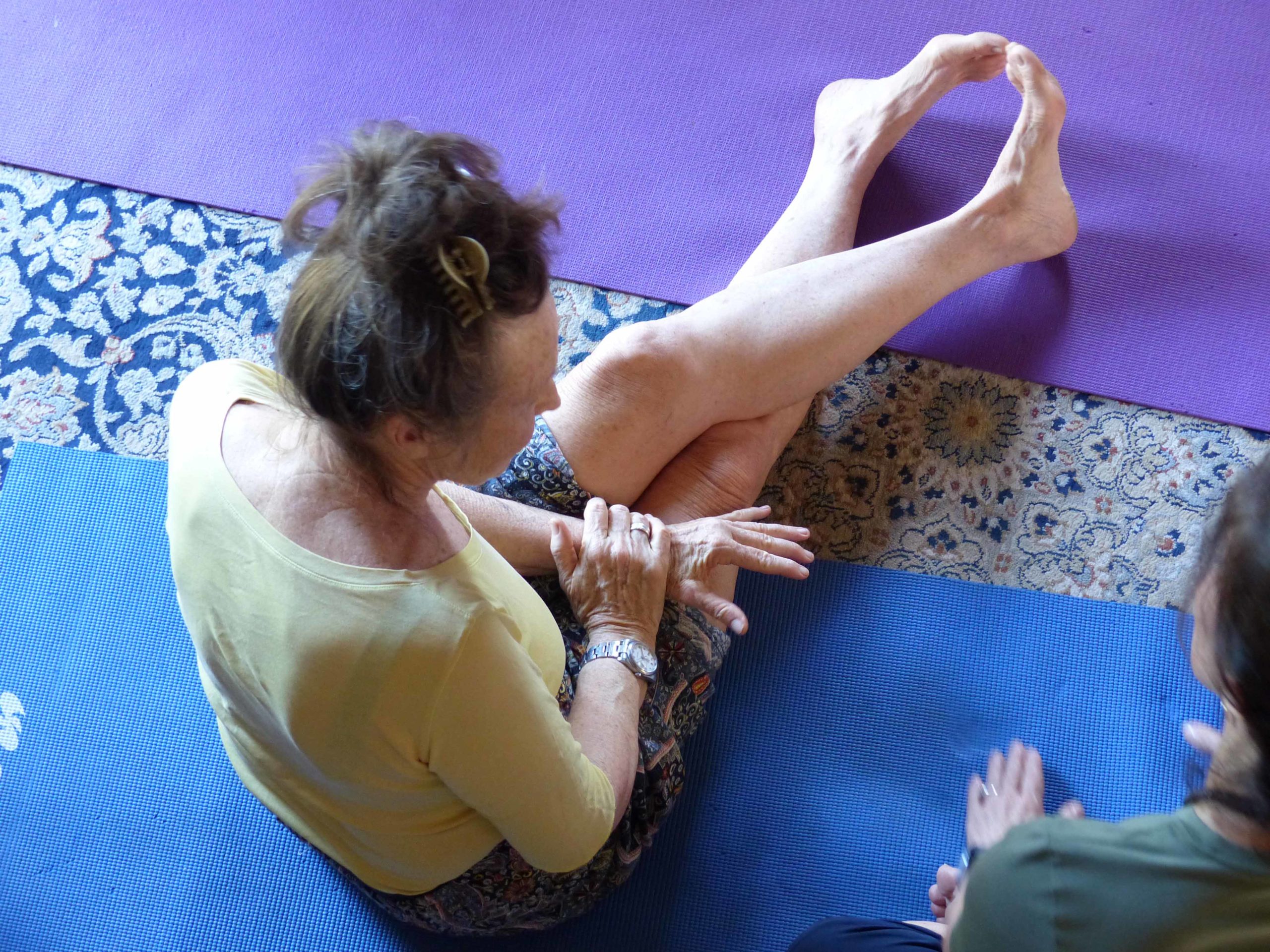
Diane’s teaching is rich and challenging. She was taught by Vanda Scaravelli and insists on deep principals with determination. She also exhibits deep care and charisma. She is American but came to live in Italy some 30 year ago to be with Vanda. She has been living in Toffia for decades, and adds words of encouragement in Italian ‘belissima!, che bello’.
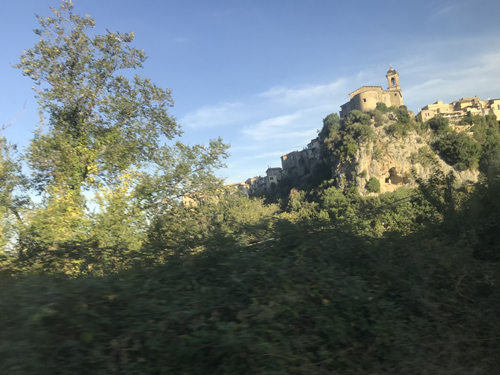
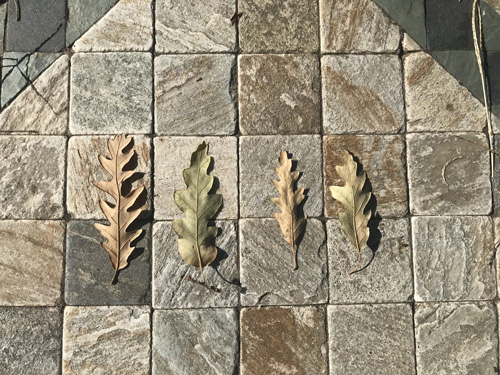
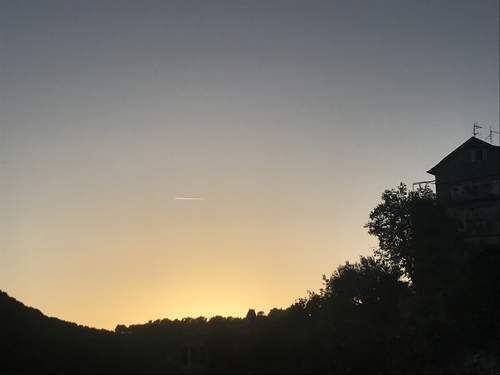
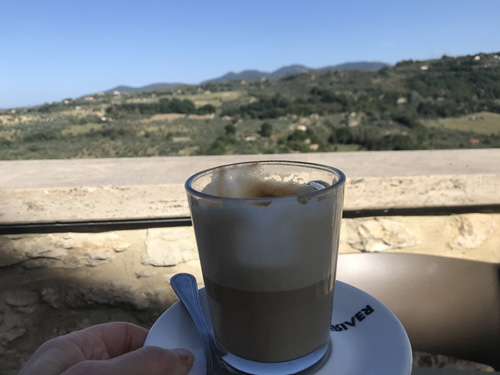
Toffia is stuck about 40 years ago, and is so very special to visit. There is 1 bar, 1 coffee shop, 1 small supermarket (4 isles, one of which is devoted to pasta, and another has a wide selection of seeds to plant), a tabac and a theatre. Yes, no restaurant, and instead a theatre, here art and growth are more important than food. It’s a place of yogis, artists, film makers and farmers. It is a shard of cliff top land with curving streets, cobbles and cats. The sun sets over fields, hills and small settlements, and nature was constantly startling me – a leaf hanging in mid air, reflections on a river, persimmons dripping from a tree.


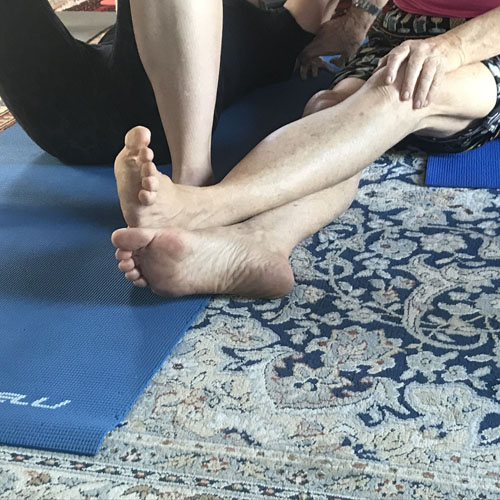
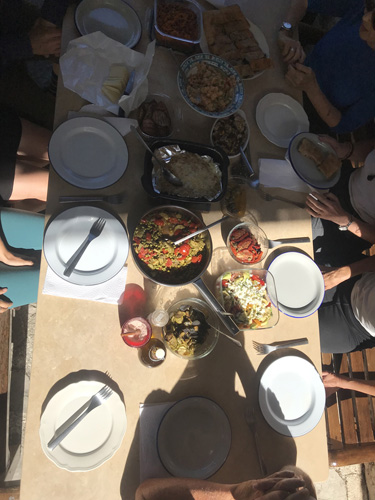
Diane always has a sparkle in her eye and a sassy attitude. She is unequivocally firm, and yet also kind. She is one of the most determined and charismatic people Ive met. One day we were working on a balance and she got angry as I was ‘fighting her’ by not holding onto the wall. I was just exploring my own body with gravity and movement, but for sure, it was her way or no way. Another day I went up into wheel and discovered I had a deep fear in my hands and arms, to which she soothed me and helped me through it. Lunch was ‘bring a dish’ so we always had a surprising and enjoyable lunch, with stories from Diane about teachers like Vanda, Krishnamurti, Iyengar and Desikachar, all of whom she had met and some of them many, many times. When she tells a story she holds court and sparkles.
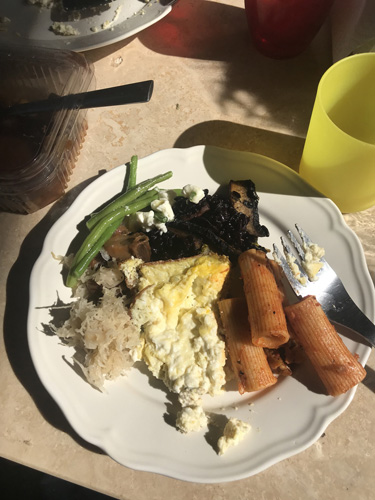

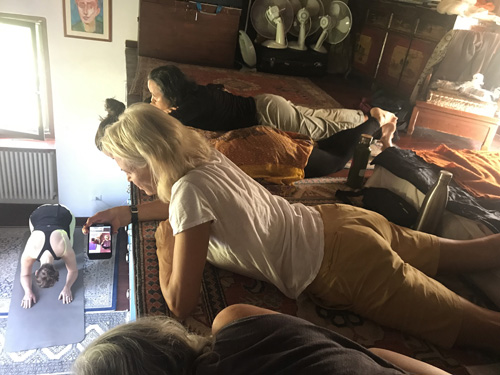
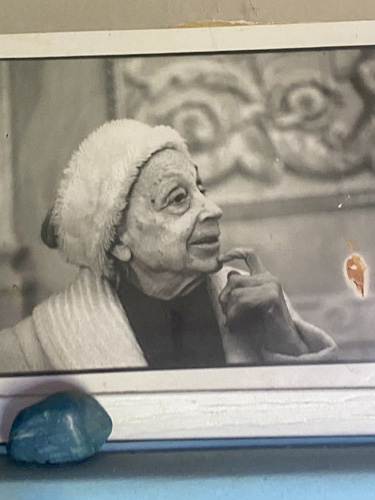
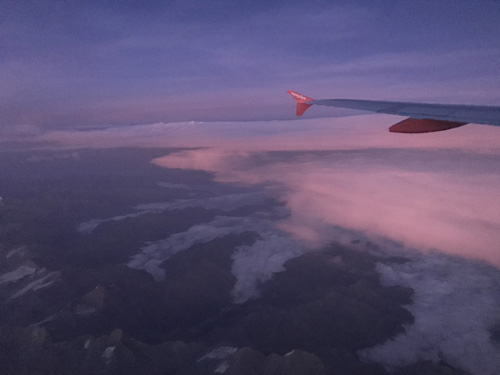
My journey there was one of fun and trust. In Rome we arrived 8.52pm and miraculously I made it to the last train at 9.12pm. It took a bit of trust and yoga breathing as I imagined being stuck in Rome with no accommodation. I gently reminded myself – if it works out, it works out, if it doesn’t work out, something else will work out. I was extra tired as I had bought duty free alcohol as a gift for a friend, but in Geneva, although duty free, it didn’t pass security – so I drank it. A humorous solution. For those of you who don’t know I enjoy large doses of vertigo. See the picture of wobbly ladders and a hole? That’s the way to my accomodation, so even getting inside was a feat of endurance!


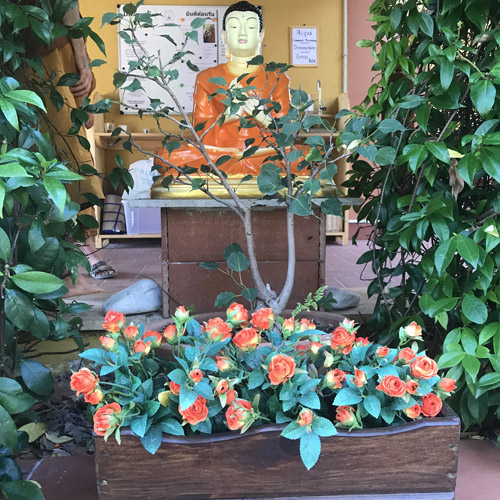
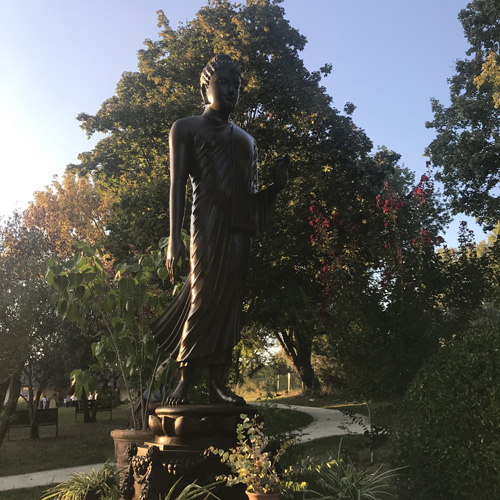
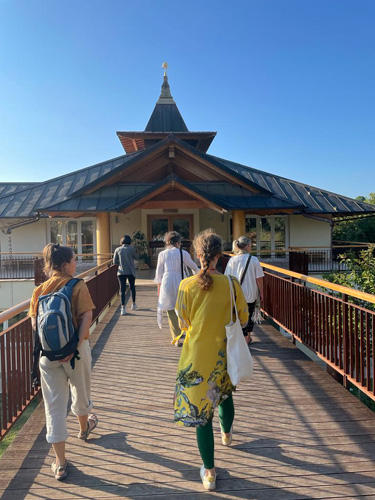
I visited a Theravada monastery, called Santacittarama. I went twice, such a beautiful tranquil place, the design detail is truly sublime. Both times the meditation or question and answer session were led by a gentle monk wearing a one piece of cloth outfit twisted and made from an almost translucent light, terracotta cotton. The outfit is both simple with a strong sense of humility, and also a deep sensuality in the twists and drape of the fabric. An Englishman, speaking in Italian about his Thai order of Buddism. I understood little with my ears, but much with my heart and eyes.
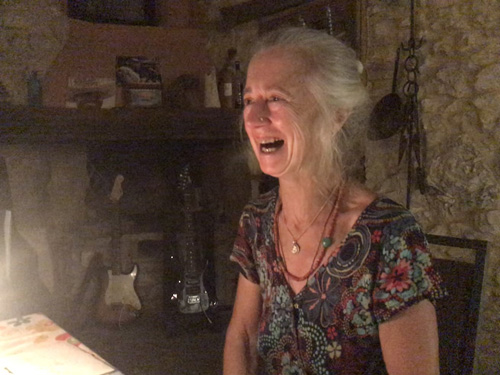
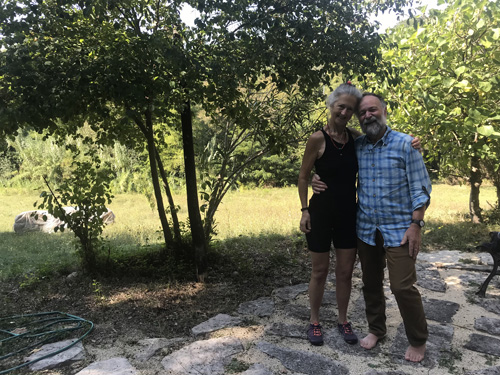
It was the wonderful Judy Cameron’s big birthday and I was honoured to celebrate with her. Judy is one of my earliest and most loved teachers. She was my tutor some 20 years ago when I studied with YogaBirth. Now she is a fellow tutor with Yoga Scotland, something I would never have imagined then. Judy is the picture of yoga. Her body has youth and vitality and a soul with wisdom, care and strength. This picture is her with her beloved husband Roy. I also met some wonderful yogis and some of the artists on retreat…. cyanotype flower shadows, broad stroke blunt work, that when placed with others became water reflections of the river.

Toffia isn’t for the feint hearted, it’s hot, the mosquitos bite, you have to cook everything yourself, the yoga is radical, there’s no public transport and the precipitous edges are enough to set of those with vertigo. So for me Toffia is always a soft home and a challenge.
Do ask me more if you’re interested, maybe we could go together another year?
For more on Diane’s teaching…. watch this space!
Late Summer Yoga: Ground, Nourish, and Slow Down
Colour Your Yoga
Practicing Yoga in Autumn: Embrace the Season of Change
Yoga in Toffia with Diane Long
Egyptian Yoga
have you ever considered teaching yoga?
Happy New Dog Pose
surfing the waves of yoga
space in the spine
look with your heart
yoga and the teachings of the waves
the yogic life of a posh vagrant
one thing I wish I’d known before starting yoga
Yoga and imposter syndrome
The power of yoga, goal setting and dealing with change
June’s Top Yoga Tips
April’s Top Tips
What is compassionate yoga?
Yogic Sweet Treats
Februay’s Top Yoga Tips
Happy New 2021
The sound of uujayi breathing
Sciatica in pregnancy yoga sequence
Does it really matter if my toes point outwards?
Strengthen your breathing & immune functioning
2020 vision for 2020
New videos: Yoga with an angled roof
Yogi Living – Salyic Acid Soap and Lions Mane Mushrooms
Take the rough with the smooth
Yoga on horseback
Yoga Mats & Surf Boards
Music for universal love, peace & non-attachment
The Rules of Yoga: Angela Farmer & Victor Van Kooten
The Pleasure Principal
Sex in Pregnancy
Dealing with Challenging Behaviour and Your Mental Health
National Wellbeing Statistics: Hope or Doom?
Me & The Universe
Can you do yoga in 5 minutes?
Wabi-sabi: To be in love
Joy and Suffering
A Gold Star for Imperfection
How Will You Celebrate Valentine’s Day With Your Class?
Yogi Living: Coconut Oil
Pose of the Moment: Triangle
Yogi Living: Cetaphil
New Year with Warrior 1
Yoga Life
Yoga in IKEA