blog
Just Do It: Meditation Tips
 “A drunken monkey stung by a scorpion”
is an often repeated description of the mind. It lurches and spins from thought to thought, dwelling on the past, daydreaming about the future, latching onto one distraction after another. The harder you try to pin it down, the quicker and wilier it becomes.
Anchoring the mind in the present is not easy. It takes dedicated practice to calm the waves of the mind for meditation. Or, in the words of that great Star Wars yogi, “Do or do not. There is no try.” But with its countless benefits, meditation is one of the most important things you can do for your overall health and well-being.
Image courtesy of [imagerymajestic] / FreeDigitalPhotos.net
The unexpected benefits of yoga
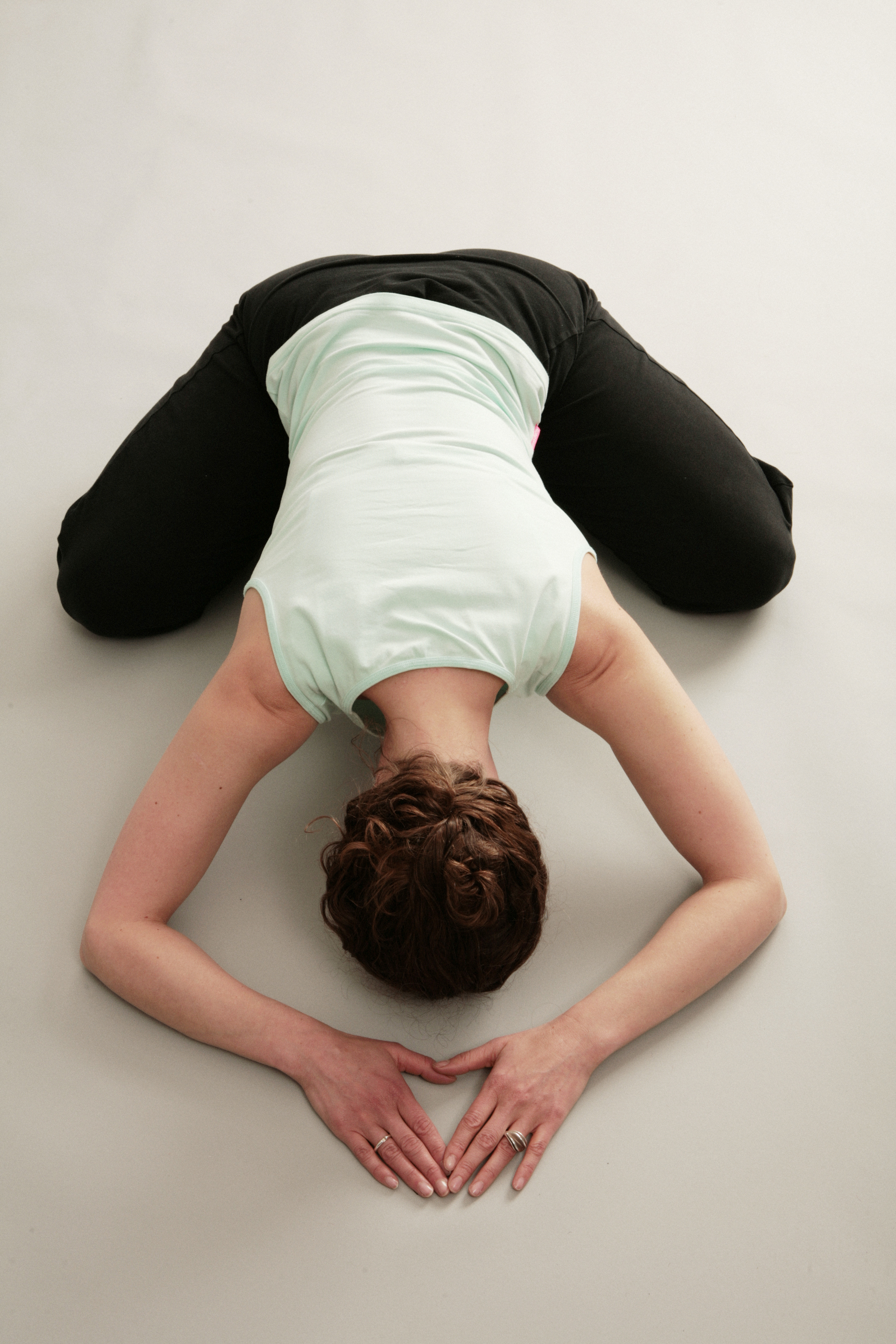 Yoga is known for mind-body benefits such as reducing stress and flexibility. Scientists have found impressive results for it’s effect on more serious medical conditions. Yoga may soon become part of the standard treatment. This is based on an article from Oprah.com, link at the bottom of the article.
‘Low brain levels of the neurotransmitter GABA are often found in people with depression; SSRIs, electroconvulsive therapy, and now yoga, it seems, can boost GABA. Preliminary research out of the Boston University School of Medicine and Harvard’s McLean Hospital found that healthy subjects who practiced yoga for one hour had a 27 percent increase in levels of GABA compared with a control group that simply sat and read for an hour.’ There is a growing body of research behind yoga significantly improving mood and reducing symptoms of depression and anxiety.
Heart Disease
‘While almost any exercise is good for the heart, experts speculate yoga’s meditative component may give it an extra boost by helping to stabilize the endothelium, the lining of the blood vessels that, when irritated, contributes to cardiovascular disease. Since the lining is reactive to stress, and meditation can lower stress hormones, yoga may be causing a cascade of events that could reduce your risk of a heart attack or stroke.’ According to several trials yoga can lower blood pressure, cholesterol, and help slow atherosclerosis. These are all risk factors in heart disease.
Breast Cancer
Women who do yoga during and after treatment experience less physical discomfort and stress. In 2007, Duke University scientists reported women had much less pain and felt more energetic and relaxed.
Menopause
Research at the University of California, San Francisco, found menopausal women taking two months of weekly restorative yoga, had a 30 percent decrease in hot flushes. A study at the University of Illinois found that taking an Iyengar class twice a week boosted energy and mood. They also plus had less physical and sexual discomfort, and a reduction in stress and anxiety.
Chronic Back Pain
The HMO Group Health Cooperative in Seattle compared the effects of
- 12 weekly sessions of yoga
- therapeutic exercises and a handbook on self-care
Photo by Eammon McGoldrick
Amputee headstand inspiration
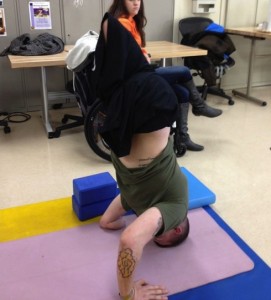
It is possible to be competitive in yoga, although not helpful: competitive with others and with yourself. Ultimately yoga is bring in the moment, accepting who you and celebrating life. Here is some brilliant inspiration.
This is a war vertran who has lost his legs and one hand in headstand. He is taught by instructor Daniel Hickman
“I’ve taught several combat veteran amputees who are below-knee amputations or above-knee amputations, so there’s a lot of stuff we can do on the arms. But then, every once in a while, someone will walk in and they don’t have a hand. So there might be people without feet and an individual without a hand,” Hickman says.
Hickman who’s been teaching yoga classes at Walter Reed for the past 6 years knows modifying and checking in with the students every day to see how they’re doing is important, as well as keeping the yoga open and social.
For the vetrans, it’s less about getting the poses and more about feeling. Marine Staff Sgt. James Sides, 30, had his right hand and wrist amputated after he was injured by an improvised explosive device in Afghanistan’s Helmand province in July 2012. He also lost partial vision in his left eye from the explosion. Even though his hand is missing he can still feel it, often referred to as a “phantom limb.”
“I started noticing after about the third or fourth session, my phantom limb pain would go away. Or it would ease up just from doing yoga, from just not thinking about anything,” he says.
Here is a true example of strength and courageous, of going beyond expectations and making your own reality. When you do yoga let this serve to inspire you that everything is possible if you have te courage to explore.
Courage to explore and KINDNESS! Read back over this article – if in doubt… These vetrans are not pushing and shoving and striving to go beyond. They are practicing a true yoga of self kindess. They are going their own rate and feeling every moment. This allows them to practice safely, be in the moment, deepen their practice and expand beyond their expectations. Through this perceptions change, pain changes and barriers change. Not because they are forced to, but through self kindness they dissolve. This is true yoga.
The Adaptive Yoga class is part of the Exalted Warrior program that started in 2006 and works with Yoga for Vets, a national program that offers veterans free yoga classes in their hometowns. For more information see:
Walter Reed Military Medical Center
Yoga breathing for pain & panic

The last few days I have had ample opportunity to ‘practice what I preach’. This has been both hard and a gift!
On Friday I used my breathing to calm my nerves for a group interview. At 44 with many jobs and courses under my belt I have had a group interview. I felt I thoroughly lacked life experience on this one. Doing yoga and meditation before leaving the house transformed my feelings from small and anxious, to open and ready. When it got to group interview it didn’t feel so clear, in fact it felt swirly and overwhelming. I focused on breathing out, and my breathing was very useful afterwards to regain balance. So I would like to be able to tell you breathing can help you remain calm under extreme stress, but instead I can say: Focus on your breathing before and after. During the interview Sit well, Relax your body (repeatedly)and Breath out.
On Saturday I had a colonoscopy, without sedation.This was my choice as I wanted to enjoy my Saturday afternoon with the kids and not be doped up with memory loss. The nurses were fantastic, so immensely supportive, and I couldn’t have done it without them. I also couldn’t have done it without my breathing. At one point I started fainting due to the pain. It actually felt pretty lovely and I had to remind myself to breath as fainting can’t be good! I used the breathing I teach for labour: long slow out breath, puffs when it doesn’t work, and vocalising when it felt good and helpful. It was very painful, but not traumatic and afterwards I felt brilliant in confidence. This experience acts as another reminder about how breathing and kind support work wonders during times of pain.
On Sunday I had an argument with my husband that started with ‘homemade or shop bought’ and spiralled into the bigger stuff. I used my breathing again: this time more like Uujayi breath. I found myself slipping into meditation, staying in the moment, exercising patience and understanding. However this non attachment became slightly numb and then lacking reality – at these moments ‘my yoga’ is to reconnect with my physical body. The argument was ‘more than I was up for, but we got there in the end. Yoga for arguments? I think conflict and stress are what they are, the yoga/breathing/meditation you do in your daily life are what prepares you to cope with the bigger stuff. There are small fixes you can do on the day, but the big fix is to practice in daily life.
On Monday I rested!
Now Im not trying to say you should breathe your way through a tiger attack, or that you should practice non-attachment if in danger, and I can’t tell you how to manage conflict. But I can tell you yoga works. Yoga is about refinding balance – what works best may be yoga poses, breathing, meditation or it might be having some porridge – this is all yoga. Whatever you do to refind balance is what yoga truly is. The most valuable tool you have for pain and panic is your breathing. Conscious breathing can help you cope with pain and panic, I know this for myself, from those Ive taught, and I know this from the weekend.
Good luck and good breathing
Image courtesy of [Ambro] / FreeDigitalPhotos.net
No Results Found
The page you requested could not be found. Try refining your search, or use the navigation above to locate the post.